When Did Technology Start Feeling So Demanding?
From MP3 players and MSN to feeds and notifications, a personal look at making room inside the devices we still enjoy.
 Illustrative image
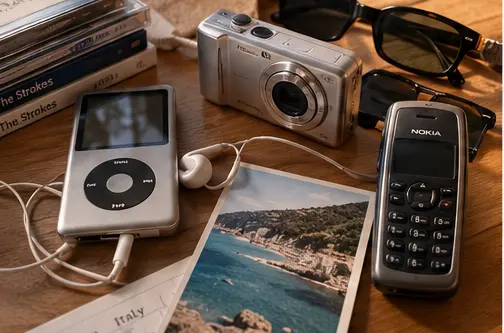
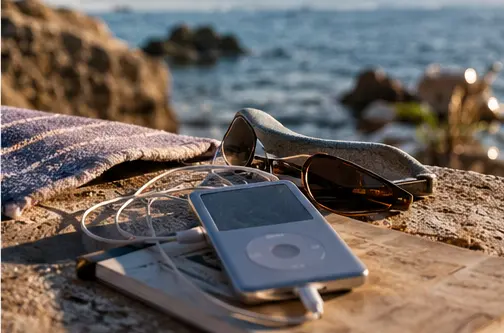
Remember going on holiday in the early 2000s with an MP3 player loaded with maybe thirty songs?
That was your music. You played it, skipped a track, replayed your favorite and got on with the day. There wasn't a feed of new things to discover every time you touched the device.
We spent hours on MSN, downloaded music and sat at family computers long after we said we'd log off. I remember how much easier it was to leave many of those devices behind when the day moved on.
A camera took pictures. An MP3 player played music. You went online, and then you went away from it.
Now everything lives in one pocket
Our phones are extraordinary. A camera, music library, map, bank, calendar, messages and an almost endless supply of entertainment, all in one place. In plenty of ways, that's an improvement.
The catch is that opening your phone for one reason can lead you somewhere completely different.
You pick it up to change a song. There's a notification. You check it, open an app and suddenly you're watching a video you never intended to look for.
Many of those older devices simply had fewer ways to pull you into something else.
The feed changed the relationship
Social platforms don't just wait for us to decide what to see. Recommendation systems arrange and suggest content based on a range of signals, often including our activity. Infinite feeds and autoplay can make the next piece of content available before we've decided whether we want it.
That design can be useful. It helps people discover music, ideas and communities they might otherwise miss. It can also make stopping feel less natural than starting.
The contrast with an old MP3 player is almost funny. Thirty songs could feel like a complete collection. Today you can have access to millions and still spend ten minutes deciding what to play.
Maybe that's part of what people miss when they talk about old technology. You could finish listening to your music or taking your pictures and put the device away.
My iPod mode
I've tried bringing a little of that feeling back without buying another device.
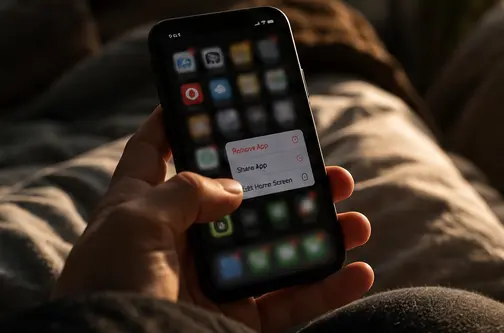
On my iPhone, I've made a Focus setup that I call iPod mode. Sometimes I use my phone much more like an old music player, giving myself a break from the usual stream of apps and interruptions.
I've also found it helpful to move social media to my laptop instead of keeping those apps within easy reach on my phone. That makes checking messages feel more intentional for me. I can sit down, reply to people and close the computer, a bit like logging into MSN and then leaving again.
I can still get distracted, of course. Moving those apps just makes it a little less likely that I'll start scrolling without thinking.
None of this means everyone should delete their apps or make their phone boring. Some people genuinely enjoy discovering things through social feeds. Others need those apps for their work, friendships or communities.
A little digital hygiene can be personal
Dedicated cameras, music players and other single-purpose devices keep coming up in conversations about digital minimalism. Some people enjoy the limits of those devices. Others simply like how they feel or work.
For me, the more interesting experiment is whether we can keep the benefits of modern devices while making room for moments when we don't want everything at once.
That might mean a Focus mode, fewer notifications, moving one app to a different device or simply deciding when you want to be online.
I still love what my iPhone can do. I just don't need it to do all of those things every time I pick it up.
For more stories about living with technology on your own terms, join the Auroriva newsletter or follow our YouTube channel.

Founder & editor of Auroriva.
More about the editor